© 2026 NervNow™. All rights reserved.
 ByNN Desk
Nano Banana 2 is Google’s Fastest Image AI Yet
The successor to one of 2025's most viral AI tools merges the intelligence of Nano Banana Pro with the rapid pace of Gemini Flash, rolling out across Search, the Gemini app, and Google Cloud.
The successor to one of 2025’s most viral AI tools merges the intelligence of Nano Banana Pro with the rapid pace of Gemini Flash, rolling out across Search, the Gemini app, and Google Cloud.
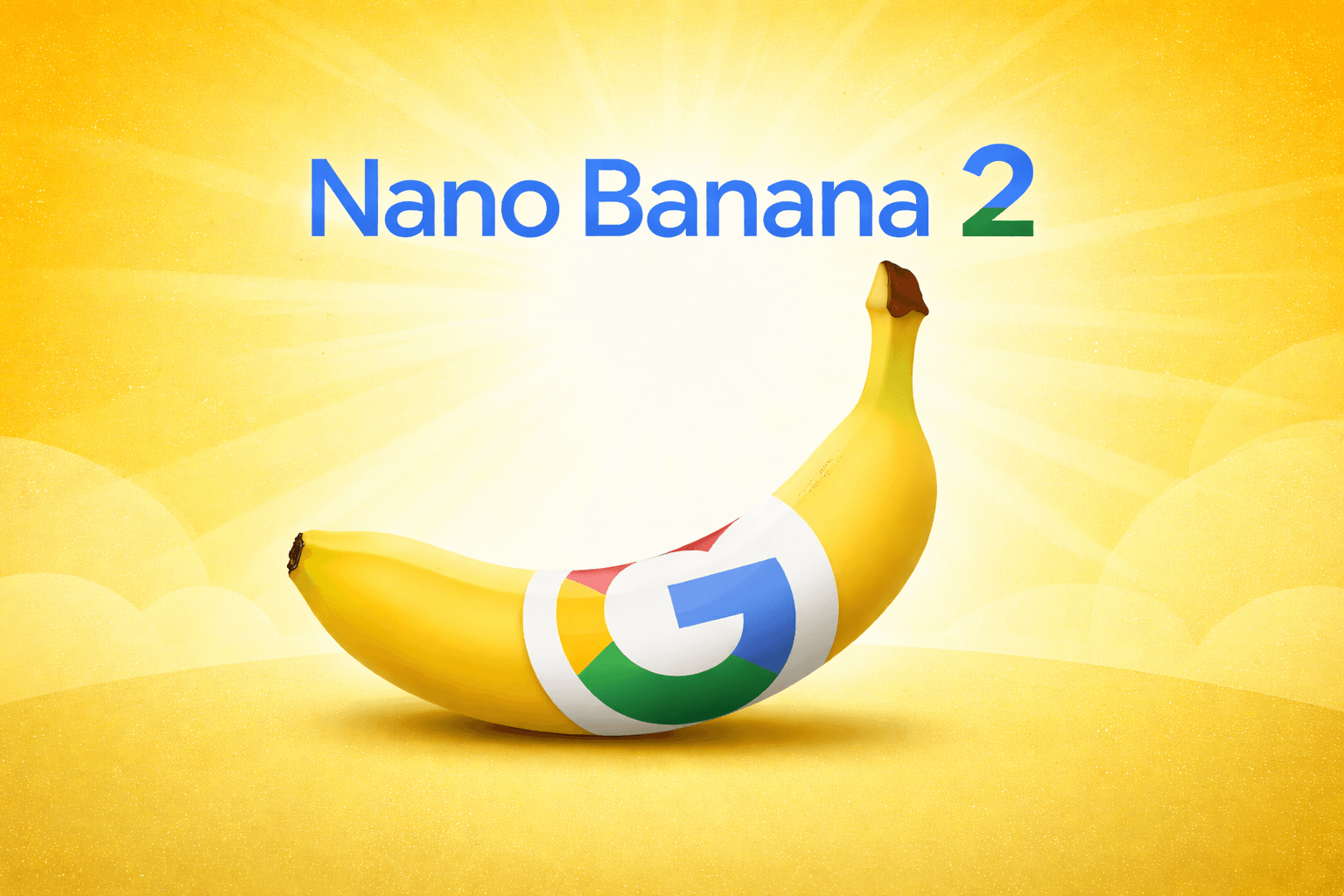
Google has unveiled Nano Banana 2, its latest and most capable AI image generation model, positioning it as the tool that finally closes the gap between speed and quality in AI-powered visual creation. The model, formally known as Gemini 3.1 Flash Image, builds directly on the success of its predecessors and begins rolling out today across Google’s consumer and developer products.
The launch follows a rapid succession of image model releases from Google DeepMind. The original Nano Banana, released last August, became what Google described as a viral sensation, reshaping expectations for what AI image editing could look like in a mainstream product. Nano Banana Pro followed in November, raising the ceiling with studio-quality creative control and advanced intelligence, but at the cost of speed. Nano Banana 2 is Google’s answer to that trade-off: the smarts of Pro, delivered at the pace of Flash.
“Now you can get the advanced world knowledge, quality and reasoning you love in Nano Banana Pro, at lightning-fast speed.”
Naina Raisinghani, Product Manager, Google DeepMind · February 26, 2026
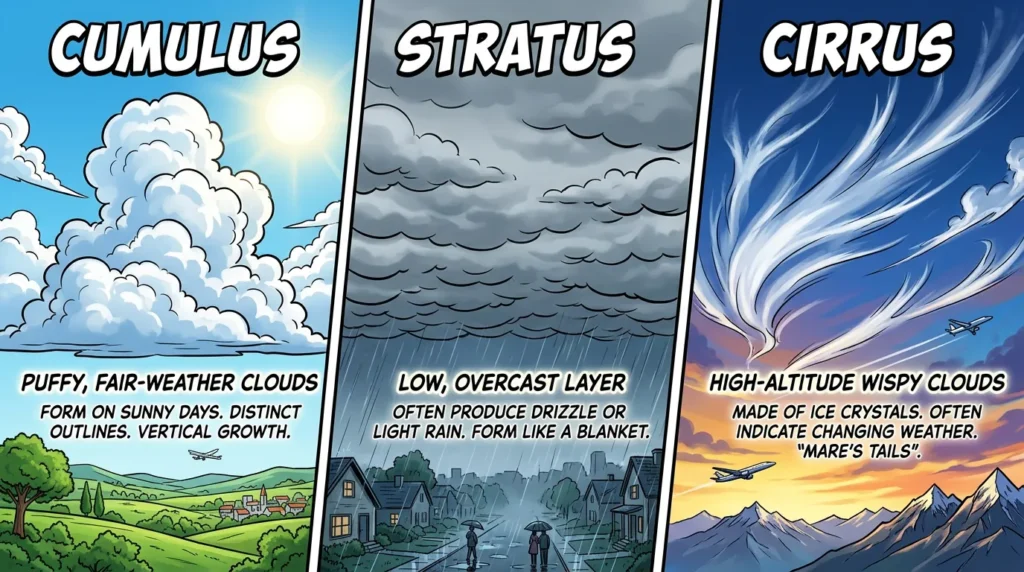
At the heart of Nano Banana 2 is what Google calls advanced world knowledge, the model draws on Gemini’s real-world knowledge base and can pull in real-time information and images from web search to more accurately render specific subjects. This enables a new range of practical use cases that go beyond creative illustration: generating infographics, turning handwritten notes into structured diagrams, and producing data visualizations from scratch.
Precision text rendering is another headline capability. Earlier image generation models have long struggled to produce legible, accurate text within images — a persistent limitation that made them impractical for commercial or professional use. Nano Banana 2 addresses this directly, allowing users to generate marketing mockups, greeting cards, and other text-heavy visuals with reliable accuracy. The model also supports in-image text translation, enabling localization of visuals across languages without leaving the generation workflow.
What’s New in Nano Banana 2
- Advanced world knowledge: Real-time grounding via web search for accurate subject rendering, infographics, and data visualizations.
- Precision text rendering: Legible, accurate in-image text generation plus translation and localization support.
- Subject consistency: Maintains character and object fidelity across up to 5 characters and 14 objects in a single workflow, enabling storyboarding and narrative building.
- Precise instruction following: Stricter adherence to complex, nuanced prompts so the output matches the intent.
- Production-ready specs: Full aspect ratio control with resolutions ranging from 512px up to 4K.
- Visual fidelity upgrade: Vibrant lighting, richer textures, and sharper detail, at Flash speed.
For creatives and content producers, the subject consistency feature may prove the most practically significant. Nano Banana 2 can maintain the visual identity of up to five characters and fourteen distinct objects across a single workflow. This means a designer can storyboard an entire narrative or campaign without characters changing appearance between frames. This directly addresses one of the most persistent frustrations in AI-assisted visual storytelling, where outputs from the same prompt would subtly alter a character’s face, clothing, or proportions from image to image.
Google is also targeting professional production workflows with the model’s output specifications. Nano Banana 2 supports a full range of aspect ratios and resolutions from 512px through to 4K, giving users the flexibility to generate assets suited for anything from a vertical social media post to a wide-screen backdrop or billboard. The combination of speed and resolution fidelity is a direct play for the advertising and marketing industries, where rapid iteration on campaign visuals is a core need.
On the deployment front, the rollout is notably broad. In the Gemini app, Nano Banana 2 will replace Nano Banana Pro as the default image generation model across Fast, Thinking, and Pro tiers, though Google AI Pro and Ultra subscribers retain access to Nano Banana Pro for tasks requiring maximum factual accuracy, accessible via a regeneration menu. In Google Search, the model is available through AI Mode and Google Lens, with availability expanding to 141 new countries and territories and eight additional languages. Developers can access the model in preview through AI Studio and the Gemini API, and it is also available in Vertex AI on Google Cloud.
Google’s video and filmmaking tool Flow has adopted Nano Banana 2 as its new default image generation model, available to all Flow users at no credit cost, a move that explains Google’s intent to position the model as the engine underpinning its broader creative suite. The model is also now powering AI-generated asset suggestions inside Google Ads campaigns.
Alongside the launch, Google is deepening its approach to AI content provenance. The company couples its SynthID watermarking technology with C2PA Content Credentials, an interoperable industry standard, to give viewers not just a signal that AI was involved in creating an image, but context about how. Google says the SynthID verification feature in the Gemini app has been used more than 20 million times across multiple languages since its November launch. C2PA verification is coming to the Gemini app shortly.
The launch arrives as competition in AI image generation intensifies. OpenAI, Midjourney, Adobe Firefly, and a growing number of challengers are each pushing into the production-grade space. Google’s strategy with Nano Banana 2 appears to be differentiation through integration, embedding the model deeply across its existing ecosystem of Search, Ads, Workspace, and developer tools, rather than positioning it as a standalone creative product. For the millions of users who already live inside Google’s ecosystem, the upgrade may simply appear as a noticeable improvement to tools they already use every day.
More on Google
Google Launches AI Professional Certificate on Coursera
Alphabet’s Intrinsic Robotics Unit Officially Joins Google
Google Publishes 2026 Responsible AI Report Amid Growing Scrutiny
Google Pledges $15 Billion to Build India’s First Full-Stack AI Hub
Sundar Pichai Meets PM Modi at India AI Summit; Google Signals Deeper AI Partnership with India
Google’s Gemini Chatbot Adds Music Creation Feature with New Lyria 3 AI Model