© 2026 NervNow™. All rights reserved.

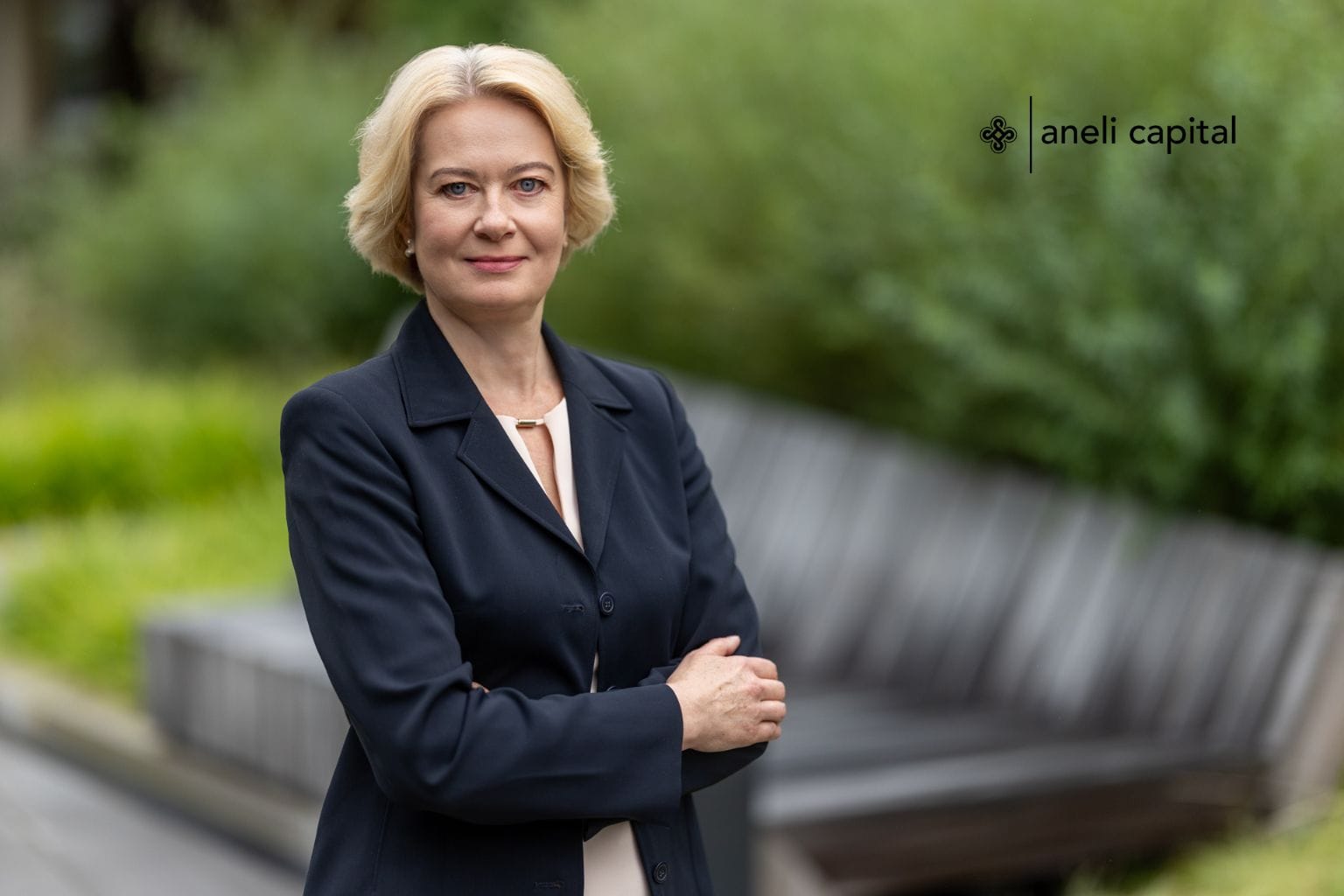

Europe Lost AI, Quantum is Next Unless We Act Now: Aneli Capital’s Daiva Rakauskaitė
With a Quantum Act expected in Brussels this quarter and only 5% of global private quantum capital flowing into European companies, investors are warning the bloc must move faster, on regulation, commercialization, and private funding, before the US and China pull too far ahead.
With a Quantum Act expected in Brussels this quarter and only 5% of global private quantum capital flowing into European companies, investors are warning the bloc must move faster, on regulation, commercialization, and private funding, before the US and China pull too far ahead.
Europe is preparing its first major regulatory framework for quantum technology. The European Commission is expected to release a draft Quantum Act in the second quarter of 2026, a document intended to reduce fragmentation, unlock private investment, and position the bloc as a leader in quantum computing, communication, and sensing. The ambition is clear, however, the execution will be fast enough is less certain.
The capital gap is stark. European Commission data shows that only 5% of global private capital allocated to quantum computing flows into European companies. In the US, that share is 50%. This disparity persists even as European venture capital interest is visibly growing: Paris-based Quantonation closed an oversubscribed €220 million quantum fund last month, and Danish fund 55North announced a €300 million fund dedicated to quantum startups last year.
ALSO READ: Why Europe Leads AI Regulation, Lags in AI Power
Finnish quantum computing company IQM, which reached unicorn status six months ago, has announced plans to go public in the US via a SPAC merger, a move that, if completed, would make it one of the first publicly listed European quantum companies.
Daiva Rakauskaitė, CFA, partner, and fund manager at Vilnius-based VC fund management company Aneli Capital, argues that the Quantum Act is necessary but not sufficient. Her concern is that premature regulation could stall a sector that is still establishing its commercial foundations. She points to the AI parallel directly: Europe’s regulatory instinct in AI, to govern before markets matured, contributed to the continent’s loss of ground to US competitors. The same pattern, applied to quantum, would be costly.
Europe already lags behind many US companies and universities, which are already advanced in the quantum field. If Europe does not want to lose the quantum race to the US and China, as it does in AI, it must first give startups the freedom to move fast and avoid burdening them with regulation on a market that is still taking shape. Any regulation now would only slow the growth of the quantum sector.
Daiva Rakauskaitė, CFA, partner and fund manager, Aneli Capital
The commercial stakes are significant to note. A McKinsey report estimated that quantum computing, communication, and sensing could together generate up to $97 billion in revenue globally by 2035, with applications spanning drug discovery, financial modelling, logistics optimisation, and cybersecurity.
Quantum also poses a long-term threat to existing encryption infrastructure, which means the technology carries both an opportunity and a risk that enterprises in regulated sectors need to begin assessing now. Rakauskaitė’s position is that companies in pharma, finance, and logistics should already be running pilots rather than waiting for the technology to mature before they engage with it.
“While it is impossible to predict when scientists will make the next major quantum breakthrough, Europe’s biggest mistake would be to wait passively for it. Companies working in sectors like pharmacy, finance, and logistics should already be running pilots and testing practical use cases to understand where quantum can create value,” Rakauskaitė says.
On the capital side, she identifies pension and endowment funds as an underutilised source. Europe holds roughly €3 trillion in pension assets, of which venture capital represents only a small fraction. Voluntarily channelling more of this long-term institutional capital into quantum venture funds is one lever. Public funding, she acknowledges, will remain important, particularly in early-stage company formation, but the transition to private capital needs to happen earlier and at greater scale than Europe’s current trajectory suggests.
Disclaimer: These are direct responses from Daiva Rakauskaitė, CFA, partner and fund manager, Aneli Capital. The submission has been lightly edited for formatting only. No responses have been altered in substance.
MORE INTERVIEWS
India’s AI Problem is Product Thinking: Hoonartek’s CEO Peeyoosh Pandey
AI Governance Must Match AI Authority: FSS’s Rishi Verma on Fraud, Reconciliation, and the Next Phase of Intelligent Payments
Jamie Dimon’s Powerful AI Warning for Future Jobs
Women Must Understand How AI is Sold, Procured, Regulated: Chaitra Vedullapalli, Women In Cloud
Medicine is Not About Algorithms; Responsibility Must Stay With Humans: Surjeet Thakur, TrioTree
Without System Maturity, AI Remains Just a Tool: Hector’s Meher Patel