© 2026 NervNow™. All rights reserved.

 ByNN Desk
Tesla Plans to Launch Terafab AI Chip Factory on March 21
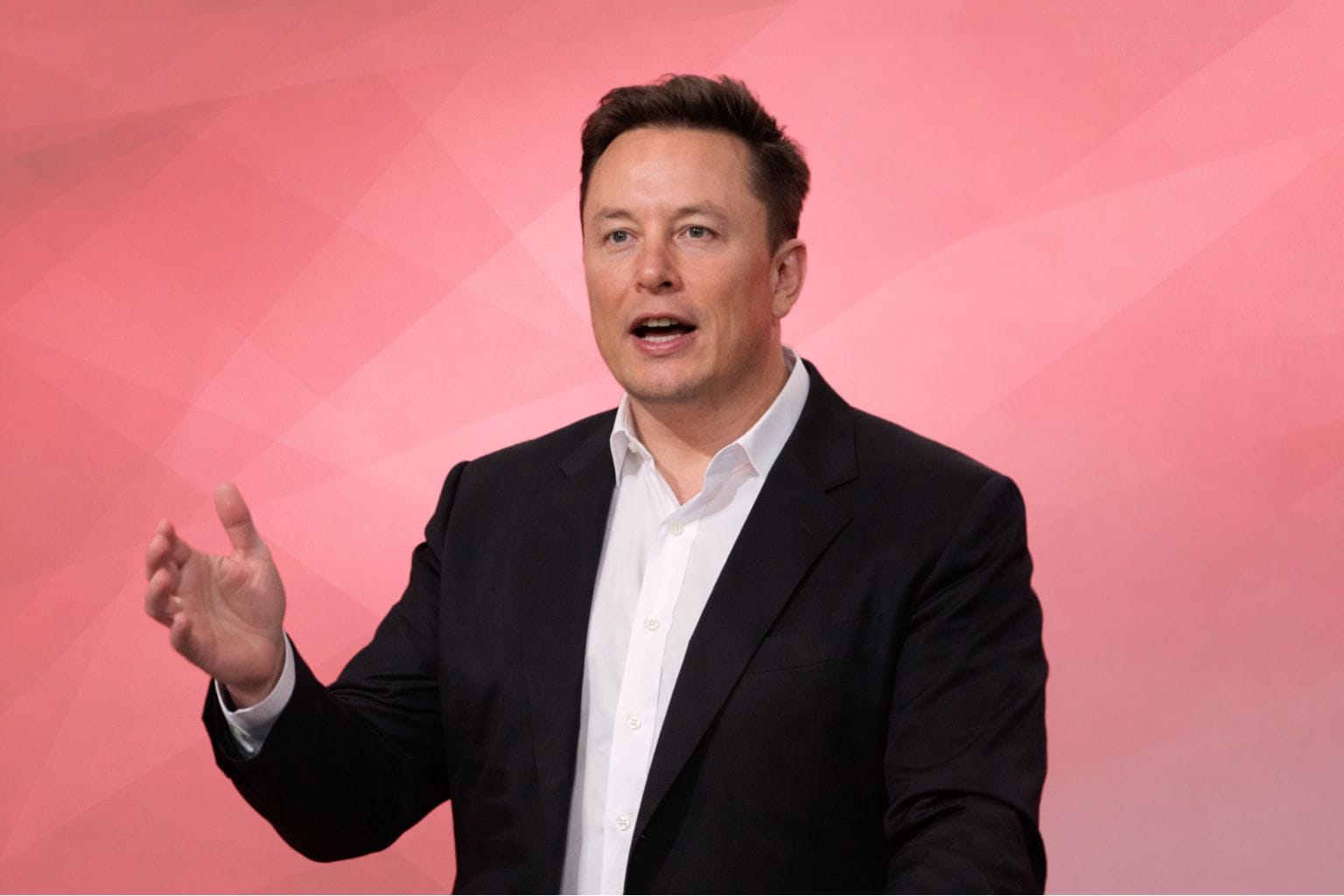
On March 14, Tesla CEO Elon Musk announced on X that the company's in-house chip fabrication project, known as Terafab, launches on March 21, 2026.
The project, Terafab, is expected to support Tesla’s growing artificial intelligence infrastructure as demand for advanced AI computing and semiconductor capacity continues to rise.
On March 14, Tesla CEO Elon Musk announced on X that the company’s in-house chip fabrication project, known as Terafab, launches on March 21, 2026. The project was first confirmed on Tesla’s January 28, 2026 earnings call, where Musk told investors the company needs to build a chip fabrication facility to avoid a supply constraint projected to materialise within three to four years.
Terafab is designed to combine logic processing, memory storage, and advanced packaging under one roof, vertically integrated chip manufacturing on a scale no private company outside Taiwan and South Korea currently operates. Musk has indicated the project is intended to supply his companies: Tesla, SpaceX, and xAI, with enough AI accelerators to meet their combined compute requirements. Production targets include Tesla’s fifth-generation AI chip, AI5, which is expected to begin small-batch production in 2026 with volume production projected for 2027. Tesla continues to work with TSMC and Samsung for current chip production, and Musk has left open the possibility of collaboration with Intel, suggesting Terafab may function as a hybrid platform rather than a full replacement of existing manufacturing partners in the near term.
The March 21 launch will almost certainly be a ceremonial groundbreaking or the initiation of early-stage equipment installation, rather than a factory producing finished wafers. The timeline from groundbreaking to high-volume manufacturing for a cutting-edge fab is typically measured in years. No official details have been released on location, partners, final investment, or actual production schedule.
Tesla’s AI ambitions across autonomous driving, robotics, and data centre infrastructure require chip volumes that existing foundry supply chains may not be able to meet on Tesla’s timeline. Building in-house capacity addresses that dependency directly. Whether Terafab delivers on that premise is a question of execution, and that answer is years away.
Disclaimer: This article is based on publicly available reporting. NervNow has not independently verified the claims and figures cited.
MORE ON AI
Medicine is Not About Algorithms; Responsibility Must Stay With a Human: Surjeet Thakur
LLM SEO: How to Get Your Brand Mentioned by AI?
AI Attribution vs GA4: What Really Drives Conversions in 2026?
Founder Warns of AI Shift in Marketing After Claude “Killed” Her Startup