© 2026 NervNow™. All rights reserved.

 ByNN Desk
Lio Raises $30M to Deploy AI Agents for Enterprise Procurement
Lio is building virtual procurement workforce: AI agents that triage requests, negotiate with suppliers, and execute purchases end-to-end across Fortune 500 companies.
The Munich-founded startup, formerly known as askLio, is building what it calls a virtual procurement workforce: AI agents that triage requests, negotiate with suppliers, and execute purchases end-to-end across Fortune 500 companies. Customers include Munich Re, Walmart, and Schaeffler.
Lio, the agentic AI platform for enterprise procurement formerly known as askLio, has raised $30 million in a Series A funding round led by Andreessen Horowitz, with participation from SV Angels, investor Harry Stebbings, and Y Combinator. The round brings Lio’s total funding to $33 million and will be used to accelerate product development and expand into the United States market.
Founded in 2023, Lio is betting that enterprise procurement, a function that still runs largely on manual approvals, fragmented systems, and outsourced labor, is ready for autonomous AI execution. Enterprises spend over $180 billion annually on procurement talent, compared to roughly $10 billion on procurement software, a gap that reflects how much work still bypasses existing tools entirely. Lio’s argument is that AI agents can now close that gap, not by adding another software layer but by actually doing the work.
The company has introduced what it calls Agent Operating Procedures, a framework in which AI agents execute the same standard operating procedures as experienced human buyers, shared service centers, or outsourced business process operations, but at machine speed. The agents triage purchase requests, analyze quotes, compare suppliers, negotiate terms, onboard vendors, and complete purchases end-to-end across enterprise resource planning systems, inboxes, contracts, and the open web. Lio describes this as replacing fragmented workflows and expensive manual review with intelligent automation, freeing procurement teams to focus on strategy and compliance rather than administrative execution.
Lio’s agents have managed billions of dollars in enterprise spend and are in use across dozens of Global 2000 and Fortune 500 companies. Named customers include Munich Re, the world’s largest reinsurer; Brose, among the largest family-owned automotive suppliers globally; and Novozymes, a global leader in biological solutions. The company reports over 95% adoption rates among users, 85% reduction in manual procurement work, 10% incremental savings from better sourcing and negotiation, and 100% customer retention. In one disclosed case, a global tier-1 industrial manufacturer automated 75% of previously outsourced procurement work in six months, freeing the equivalent of 10 full-time employees.
Teams won’t scale through headcount or more tools, but through AI agents that execute work end-to-end. Procurement teams will shift from doing manual work to directing and supervising an AI workforce.
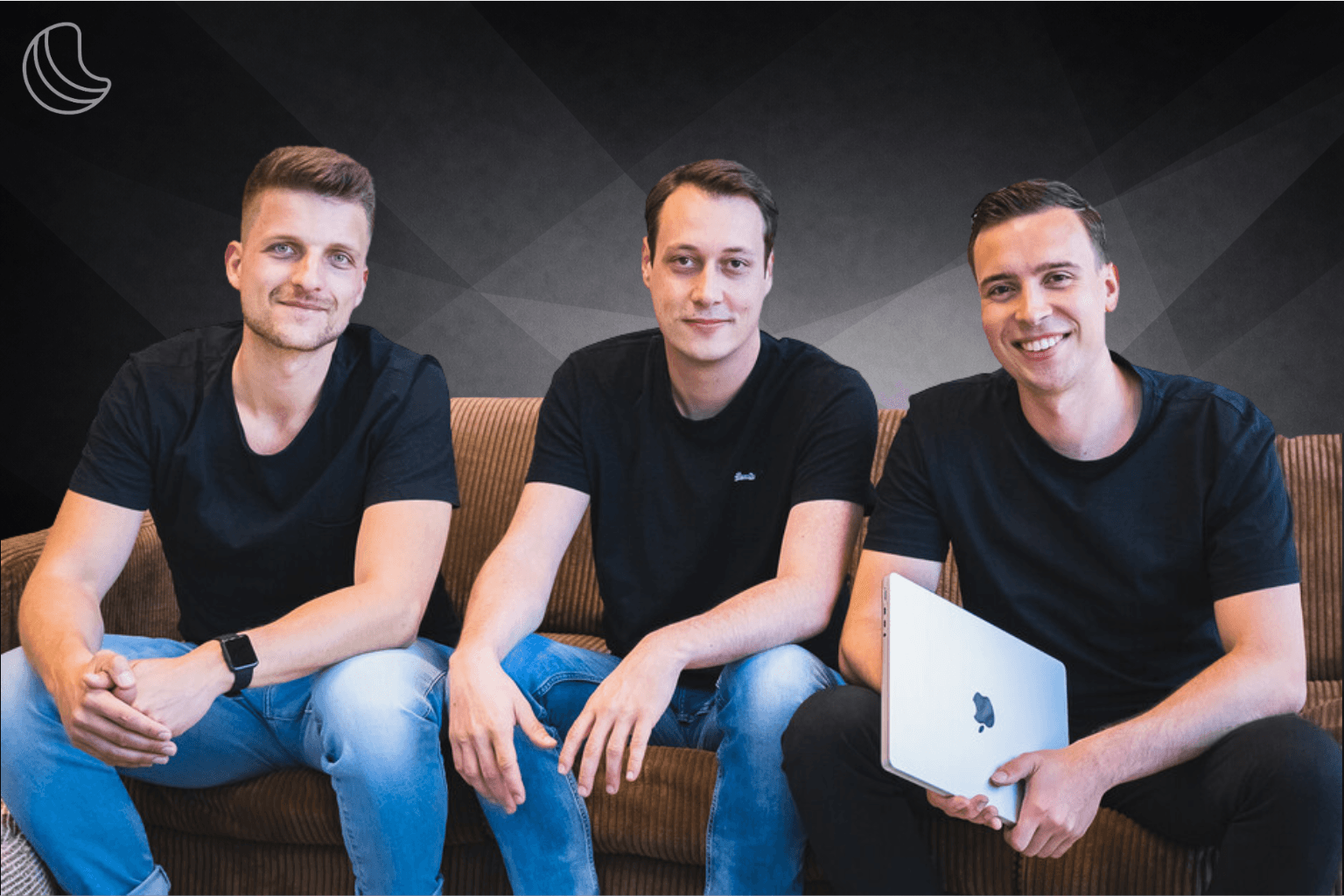
Vlad Keil, Founder and CEO, Lio
Seema Amble, Partner at Andreessen Horowitz, framed the investment as a bet on the broader shift from AI as a workflow assistant to AI as an autonomous executor. Jared Petras, Senior Director of Global Procurement Digital Transformation at Walmart, said in the announcement that the return on investment with Lio is compressed from years to weeks, and that the technology is fundamentally different from anything previously available in procurement. Andreas Schick, COO at Schaeffler, one of the world’s largest automotive and industrial suppliers, described the collaboration as redefining how purchasing operates at the company.
The funding positions Lio in an increasingly crowded field of enterprise AI startups targeting back-office automation, but procurement is a notably specific and defensible wedge. Unlike general-purpose AI assistants, procurement agents require deep integration across ERP systems, vendor databases, approval workflows, and contract repositories, the kind of complexity that raises the barrier for new entrants and rewards specialisation. With a16z’s backing and a roster of enterprise customers already running significant spend through its platform, Lio enters the U.S. market with more validation than most Series A companies at this stage.
MORE ON AI & FUNDING
MatX Bags Major Funding in Bid to Rival Nvidia
AI-Driven Ionic Wealth Crosses $1 Billion in Assets in Under Two Years
OpenAI Secures $110B From Amazon, Nvidia, SoftBank; Valuation Soars to $730B
AI Hiring Startup HireBound Raises $2M