© 2026 NervNow™. All rights reserved.

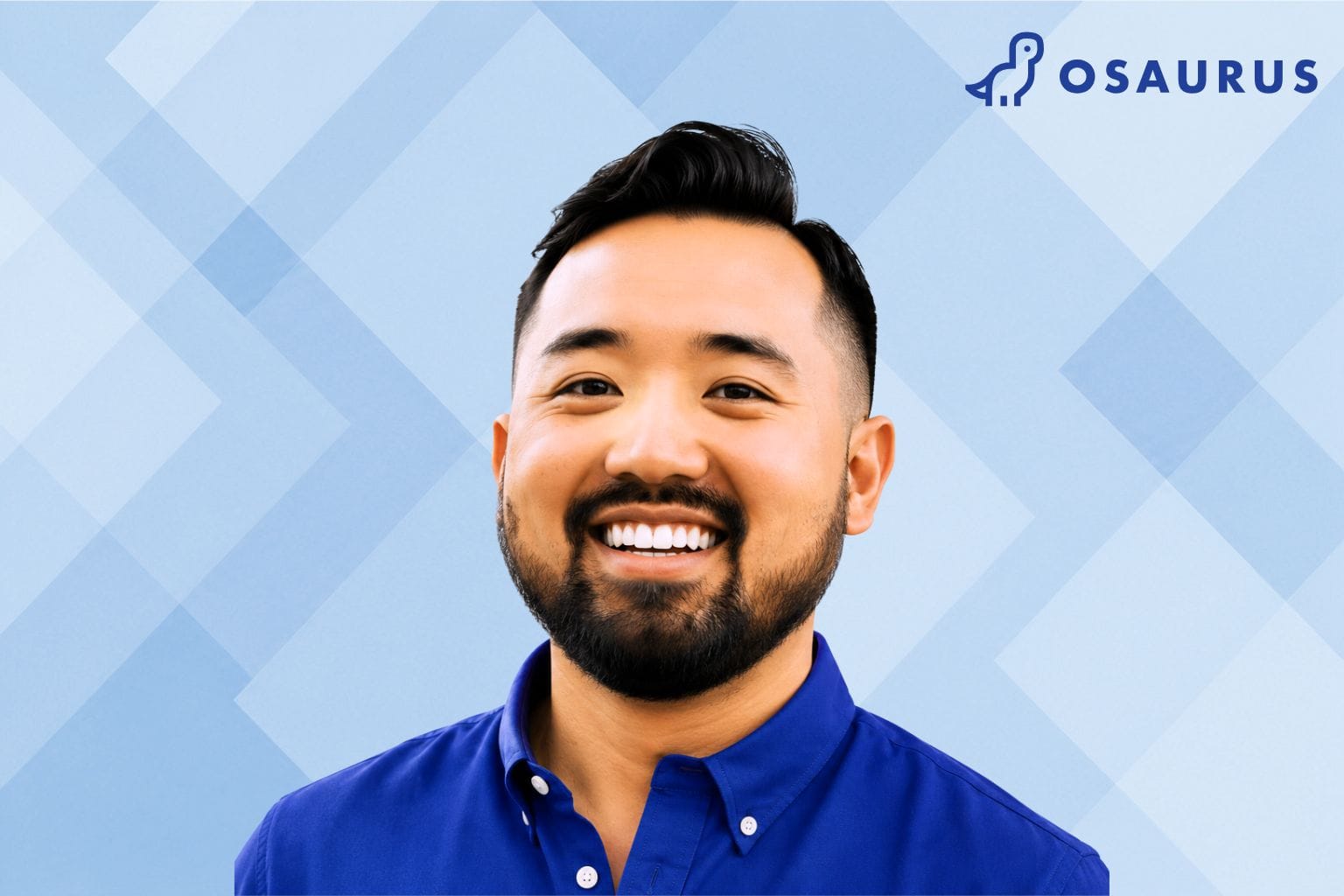
 ByNN Desk
Osaurus Debuts Mac Interface for Local and Cloud AI Models
The open source tool, built by former Tesla and Netflix engineer Terence Pae, positions the Mac as a self-contained AI hub and has recorded over 112,000 downloads since Osaurus launched.
The open source tool, built by former Tesla and Netflix engineer Terence Pae, positions the Mac as a self-contained AI hub and has recorded over 112,000 downloads since Osaurus launched.
Osaurus, an open-source AI server built for macOS, now allows users to switch between locally hosted AI models and cloud providers like OpenAI and Anthropic from a single interface. The platform keeps files, memory, and tools stored on users’ own hardware while combining local and cloud AI access.
The app supports over 20 models, including MiniMax M2.5, Gemma 4, Qwen 3, Llama, DeepSeek V4, and Apple’s on-device foundation models, as well as cloud connections to OpenAI, Anthropic, Gemini, xAI, and others. It ships with more than 20 native plugins covering Mail, Calendar, Browser, Git, Filesystem, and XLSX, among others.
ALSO READ: OpenAI Rolls Out Personal Finance Assistant Inside ChatGPT Pro
Terence Pae, co-founder and a former software engineer at Tesla and Netflix, said the product grew out of an earlier desktop AI companion called Dinoki. Users of that app raised a consistent objection: they were being asked to pay for tokens in addition to the software itself. That friction pushed Pae toward local inference as the core of what Osaurus became.
Running AI models locally demands substantial hardware. Osaurus requires at least 64GB of RAM for local models, with 128GB recommended for larger ones such as DeepSeek V4. The requirement limits the tool’s reach for now, though Pae has said publicly that the compute cost of local AI is falling and that the metric of intelligence per wattage has improved considerably over the past year.
Osaurus functions as a full Model Context Protocol (MCP) server, which means any MCP-compatible client can access its tools. The app also runs within a hardware-isolated virtual sandbox, a design choice the company says limits the AI’s access to system resources and reduces exposure to the security risks associated with some competing local-model tools.
The distinction Osaurus draws against other local-model interfaces, including Ollama, LM Studio, and Msty, is its stated focus on non-developer users. Where similar tools typically require comfort with a command-line interface, Osaurus presents a consumer-facing design.
Co-founders Pae and Sam Yoo are currently participating in Alliance, a New York-based startup accelerator. The team has said it is exploring enterprise use cases in healthcare and legal services, where data privacy requirements make local inference particularly relevant.
Osaurus has recorded more than 112,000 downloads since the project launched approximately one year ago, according to figures on the company’s website.
Disclaimer: This news is based on publicly available information. NervNow has not independently verified any claims.
DISCOVER LATEST AI INDUSTRY UPDATES
Workday Integrates Sana AI Agent With Microsoft 365 Copilot
Jensen Huang’s Foundation Donates $108M in AI Computing to Researchers
Fractile Bags $220M to Compete With Nvidia in AI Hardware
Acronis Debuts Cyber Frame IaaS Platform for MSP Growth